Historical records often lack visual representations of specific individuals, particularly from the Civil War era. Many soldiers during this time did not have access to expensive and relatively rare photographic equipment, resulting in a significant number of soldiers who were never photographed during their service. This absence of imagery makes it challenging to associate faces with names.
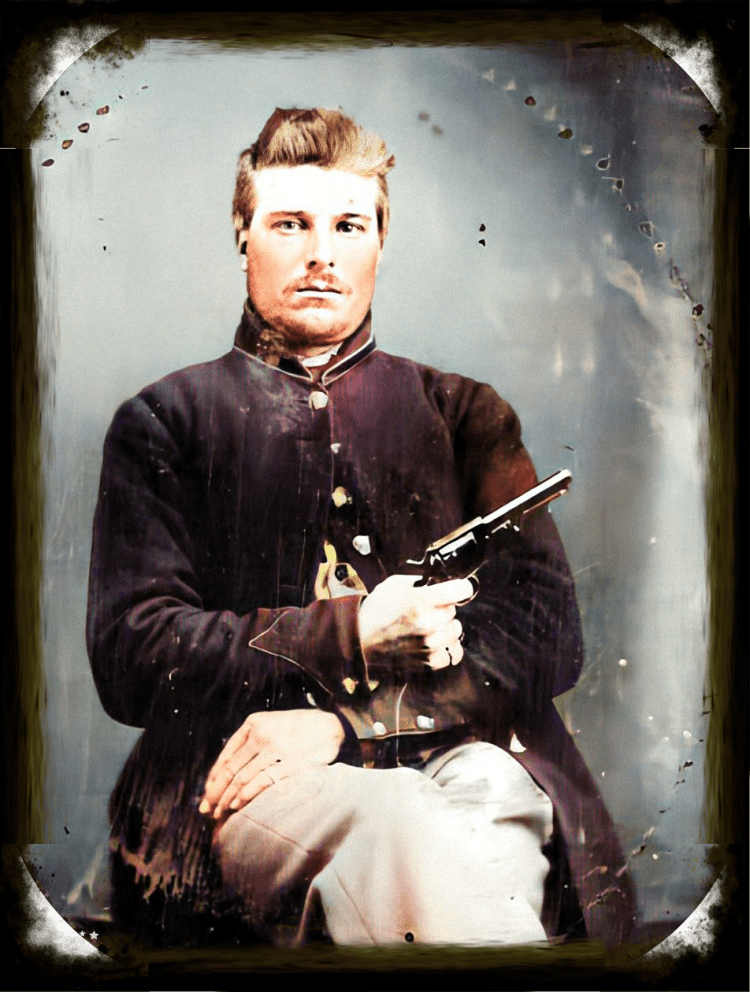
In the case of Pvt. Lyman W. Spencer, who served in Company “C” 17th Iowa Infantry Regiment, there is an interesting anecdote regarding the use of portraits. Pvt. Spencer may have appropriated the image of Corporal George Shearer from Company “K” to visually represent himself. The reasons for this choice remain ambiguous; it is possible that Pvt. Spencer and CPL. Shearer resembled each other or that they shared a friendship or mutual admiration.
Regardless of the reasons behind the appropriation of George Shearer’s image, it is essential to acknowledge that both he and Pvt. Spencer had distinct experiences and contributions during their military service. Even in the absence of a portrait, historical records, and other sources provide valuable insights into their lives and service.
Pvt. Lyman W. Spencer enlisted in the Union Army on August 15, 1862, at the age of 19, and served in the 17th Iowa Infantry Regiment. According to an examining surgeon’s sworn testimony, he was found free of any physical or mental impairments that would disqualify him from military service. Descriptions from that time indicate that Pvt. Spencer had gray eyes, light hair, a light complexion, and stood five feet seven inches tall.
Following scant basic military training at Benton barracks in St. Louis, Missouri. Then, as the unit took the field and Became a legitimate member of the 17th Iowa Infantry Regiment, Pvt. Spencer participated in several significant Civil War battles, including the Siege of Vicksburg, the Battle of Chattanooga, and the Atlanta Campaign. The regiment was part of the Union Army’s 15th Corps and played a crucial role in the capture of Vicksburg, a pivotal event that enabled Union control of the Mississippi River.
During the Battle of Chattanooga, Pvt. Spencer and his fellow soldiers were instrumental in breaking the Confederate lines, leading to a Union victory. The Atlanta Campaign, which took place from May to September 1864, was another key conflict in which Pvt. Spencer participated, significantly influencing the Union’s strategy against the Confederacy.
During the grueling Atlanta campaign, Company “C” found itself effectively isolated from the rest of the regiment as it bravely pressed onward toward the crucial objective of Atlanta. Their assignment, initially seen as a mundane duty, involved guarding the vital Western & Atlantic railroad at Tilton, Georgia. However, tranquility was shattered when they were ambushed by elements of Hood’s Confederate army.
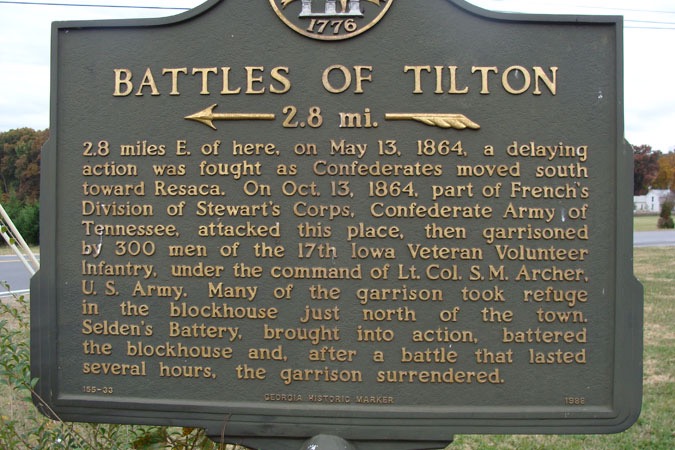
The ensuing clash was fierce and chaotic, resulting in the surrender of the Union forces, who fought valiantly despite being outnumbered. Those who survived the harrowing battle were compelled to march through the rugged terrain of Snake Gap, a passage that led them deeper into Alabama and onward to the notorious prison camp at Cahaba.
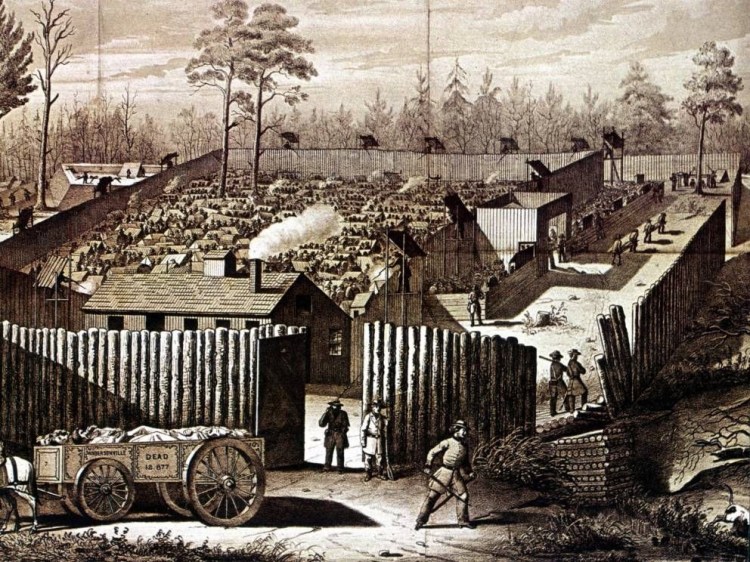
As the war dragged on, the remaining soldiers endured a grim existence in various prison camps scattered throughout Alabama and Georgia. Their ordeal reached a grim climax during their extended stay at Andersonville, Georgia, one of the most infamous POW camps, known for its appalling conditions and the suffering it inflicted on its inmates. The resilience of these soldiers was tested at every turn, marking a stark chapter in their fight for survival amid the ravages of war.
Throughout his military service, Pvt. Spencer encountered numerous challenges, including harsh weather, food and supply shortages, and the ever-present threat of enemy fire. Despite these hardships, he and his fellow soldiers remained steadfast in their commitment to their duty and the Union cause.
After the war concluded, Pvt. Spencer returned to Illinois via Iowa, where the impacts of his service during the Civil War likely left a lasting impression on his life and the lives of those he interacted with. He is remembered today as a courageous and dedicated soldier who answered the call of service during a period marked by significant turmoil and uncertainty.
 𝚨nything for A Quiet LifeΩ