The Seventy-eighth Illinois Regiment displayed exceptional gallantry and heroism, comparable to any other military unit involved in the American Civil War. The Regiment achieved the only successful assault on an entrenchment during the Atlanta Campaign at the Battle of Jonesboro, Georgia. Participated in the battles of Chickamauga, Mission Ridge, Buzzard’s Roost, Resaca, Rome, New Hope Church, Kenesaw Mountain, Peach Tree Creek, Atlanta, Jonesboro, Averysboro, and Bentonville.

The Regiment was organized in Quincy, Illinois, a strategic location for troop assembly, and officially mustered into service on September 1, 1862. This marked the beginning of their commitment to the Union war effort during the Civil War.
Following their muster, the Regiment was briefly assigned as a provost guard in Louisville, Kentucky, throughout September 1862. This role involved maintaining order and enforcing military regulations in the city, which was vital for supporting Union operations in the region.
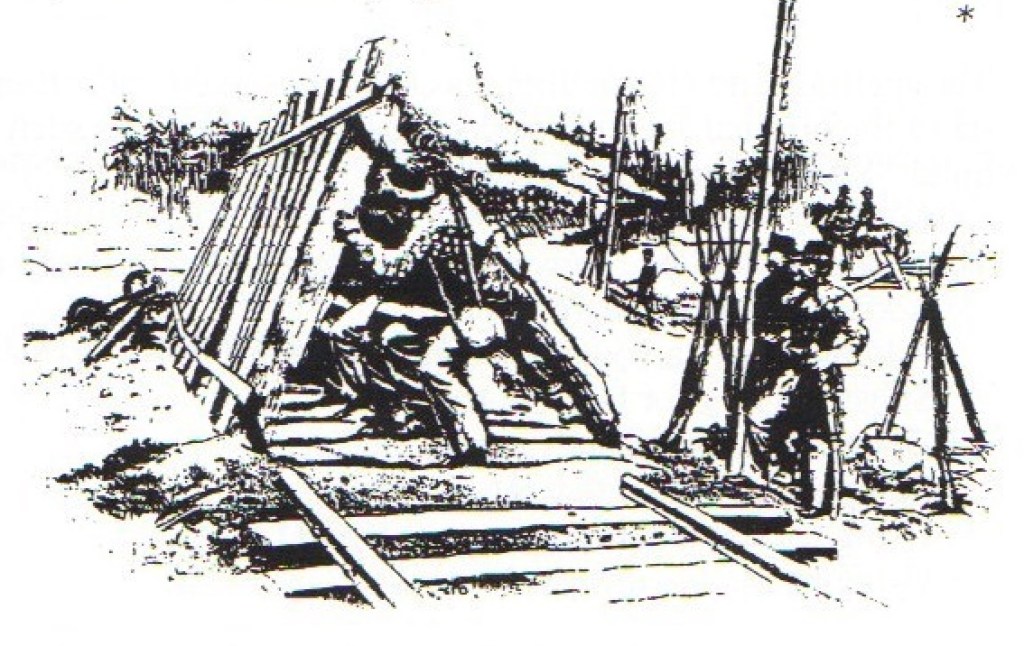
After their initial duties, the Regiment was stationed in Shepherdsville, Kentucky, where they undertook essential responsibilities guarding vital railroad infrastructures, specifically bridges along the Louisville and Nashville Railroad and the Lebanon Branch. They also worked on constructing fortifications to enhance defenses against potential Confederate advances, highlighting the strategic importance of railroads for troop movements and supply lines during the war.
On December 26, 1862, the Regiment faced a severe threat when Confederate cavalry leader John Morgan captured Companies B and C, adding urgency to the situation. Morgan launched a surprise attack on the Regimental Headquarters on December 30, 1862, creating a chaotic battle scenario that tested the readiness and resilience of the Regiment.
Austin W Spencer and Company H, stationed in the nearby town of New Haven, actively engaged with Morgan’s forces during this tumultuous time. Although they encountered enemy fire, they showcased their composure and tactical discipline by sustaining no casualties, a testament to their training and readiness.
After these encounters, the Regiment was ordered to move to Louisville. From there, they continued their journey to Nashville, utilizing steamboats for transport. They arrived in Nashville on February 3, 1863, where they were tasked with relieving the Eighty-third Illinois Regiment, integrating into a more significant effort to bolster Union positions in the area.
The Regiment conducted rigorous drilling in the following months to enhance combat readiness. They actively participated in several battles against Confederate forces led by Generals Van Dorn and Wheeler. These engagements honed their tactical expertise and solidified their role in the ongoing conflict in the region, contributing to the Union’s broader military efforts in the Civil War.
One of the more significant and poignant duties undertaken by Company H was their involvement in the execution of two Confederate spies. Disguised as Federal officers, these spies were apprehended after a careful and coordinated operation. Following their capture, a thorough trial was conducted to determine their fate, during which evidence of their duplicity was presented. Ultimately, the tribunal reached a solemn decision, leading to the execution of the spies. This event marked a stark reminder of the complex and often grim realities of war, illustrating the dire consequences faced by those who sought to deceive and undermine the efforts of the Union forces.

On March 4, 1863, a Confederate force under Van Dorn and Wheeler defeated a Union force led by Colonel Coburn near Franklin, Tenn. Following, The Seventy-eighth Illinois was assigned to Colonel John G. Mitchell’s Brigade, which included the One Hundred and Thirteenth, One Hundred and Twenty-first, and Ninety-eighth Ohio regiments.
The Brigade marched to Triune and Murfreesboro, Tennessee, then moved south from Murfreesboro, passing through Shelbyville, Tennessee, and eventually reaching Rossville, Georgia.
The Brigade was kept on the move, marching and skirmishing, in the days leading up to the Battle of Chickamauga, where they discovered Longstreet’s Corps reinforcing Bragg’s Army.
The Regiment played a crucial role in the Battle of Chickamauga, particularly in repelling Longstreet’s Corps and preventing a potential defeat for the Union forces. The Regiment suffered heavy casualties, with approximately 40% of the engaged troops killed or wounded, but their timely intervention proved decisive. Historian VanHorne acknowledged the Regiment’s contribution, stating that the timely arrival of Mitchell’s and Whitaker’s Brigades saved the Union army from defeat.
The Seventy-eighth Regiment held the rear of the battle line at Rossville Gap on September 21 and later moved to Chattanooga and Stringer’s Ridge. Twenty-four pickets from the Seventy-eighth Regiment were captured and sent to Southern prisons, resulting in the deaths of four officers and fifty-one men.
Bragg’s Army surrounded and besieged the Federal Army at Chattanooga, putting the troops on half rations.
Mitchell’s Brigade was assigned to Brigadier General Jefferson C. Davis’ Division on October 9, 1863.
On October 27, 1863, the Regiment crossed the Tennessee River to assist the Army of the Cumberland in the Battle of Wauhatchie.
The command recrossed the Tennessee River on November 24, 1863, and participated in the Battle of Missionary Ridge on November 25, 1863.
The Second Division pursued the enemy, reaching Chickamauga Station and engaging in a skirmish.
The division marched to relieve Burnside at Knoxville, but the siege was lifted before they arrived, and the Regiment returned to Chattanooga and encamped at Rossville for the winter.
The Regiment next participated in the grueling Atlanta campaign, engaging in battles at Buzzard’s Roost, Dalton, Resaca, Rome, New Hope Church, and Kenesaw.
The Brigade was strengthened by adding the Thirty-fourth Illinois and One Hundred and Eighth Ohio regiments during the winter and spring of 1864.
On June 27, 1864, the Regiment participated in a failed assault on Kenesaw Mountain, resulting in heavy casualties. The enemy abandoned their entrenchments on July 4, leading to a pursuit with constant skirmishing.
On July 17, the Regiment engaged in a significant battle at Peach Tree Creek, resulting in casualties.
After a fierce battle on September 1, the Regiment successfully captured the enemy’s entrenchments at Jonesboro, Georgia.
The Regiment lost approximately 200 men (killed and wounded) from May 2 to September 1, 1864, including Private Spencer.
The Regiment pursued Forrest’s forces, engaged in skirmishes, and marched through various locations in Alabama and Georgia.
The Regiment marched from Atlanta to Savannah, engaging in skirmishes and participating in the siege of the city, which ultimately led to its evacuation.
The Regiment marched northward from Savannah, destroying enemy infrastructure and engaging in skirmishes along the way.
The Regiment participated in a significant battle near Bentonville, North Carolina, facing heavy enemy fire and fighting on both fronts.
The Regiment and its Division repulsed the enemy, but the engagement required reinforcements.
The Regiment’s final campaign found it advancing to Goldsboro, encamped, advanced to Raleigh, and remained there until Johnson’s surrender on April 26, 1865.
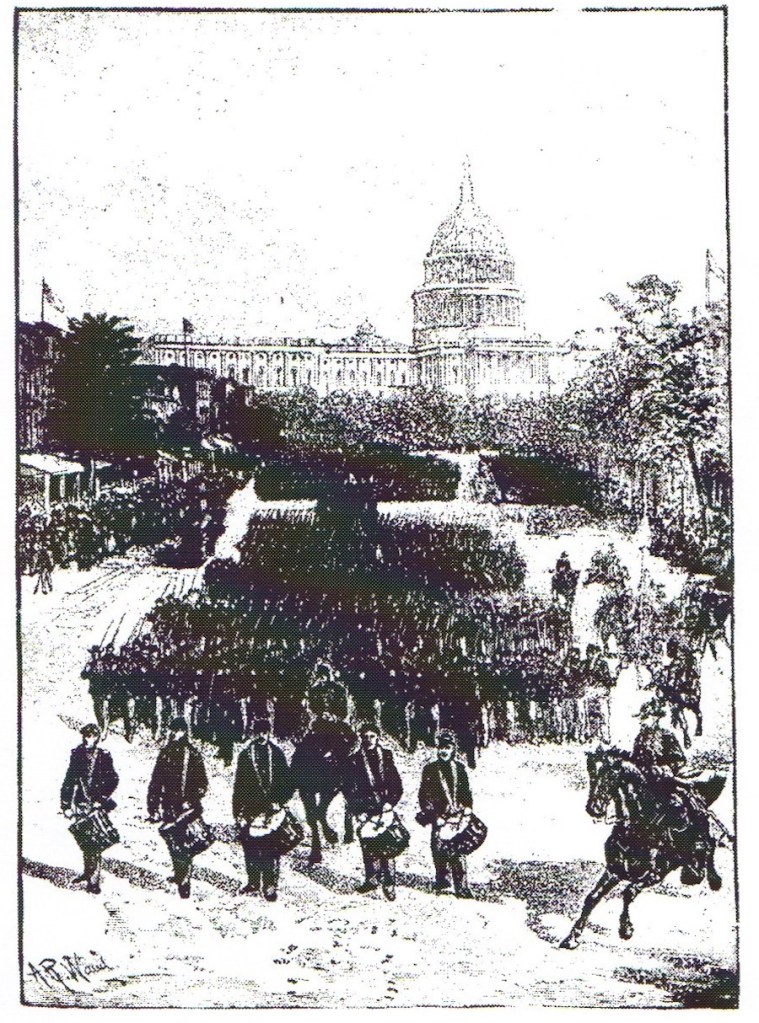
Following post-surrender activities, the Regiment Marched north through Richmond, arrived in Washington, D.C., on May 19, participated in the Grand Review on May 24, 1865, and was mustered out on June 7, 1865.
- Regiment’s Engagements: Participated in the battles of Chickamauga, Mission Ridge, Buzzard’s Roost, Resaca, Rome, New Hope Church, Kenesaw Mountain, Peach Tree Creek, Atlanta, Jonesboro, Averysboro, and Bentonville.
- Officer Casualties: Colonel Carter Van Vieck, Major William L. Broddus, Captain Robert M. Black, Lieutenant Tobias E. Butler, First Lieutenant George A. Brown, First Lieutenant Daniel W. Long, First Lieutenant George T. Beers, First Lieutenant William E. Summers, and Second Lieutenant John E. James.
- Notable Achievement: The Regiment achieved the only successful assault on an entrenchment during the Atlanta Campaign at the Battle of Jonesboro, Georgia.
Soldier Transfer: Enlisted men of the Seventy-eighth Illinois Volunteers whose terms of service expire after October 1, 1865, are transferred to the Thirty-fourth Illinois V.V.I.
Notice: This material may be freely used by non-commercial entities for educational and/or research purposes as long as this message remains on all copied material. These electronic pages cannot be reproduced in any format for profit or for other presentations without the permission of The Illinois USGenWeb Project. © 1997 The ILGenWeb Project All Rights Reserved
 𝚨nything for A Quiet LifeΩ