Comprehensive History of the 83rd Illinois Infantry Regiment
The 83rd Illinois Infantry Regiment holds a significant place in the history of the American Civil War, particularly within the Western Theater. Its contribution to Union efforts in Tennessee and beyond was substantial, and this survey note thoroughly examines its formation, key engagements, and legacy, drawing from multiple historical sources to ensure a comprehensive overview.
Formation and Organization
The regiment was organized at Monmouth, Illinois, in August 1862, mustering into federal service on August 21, 1862, under the command of Colonel Abner C. Harding. Recruitment was primarily from western Illinois, with Companies A, B, C, F, and H from Warren County, Company D from Mercer County, and Companies E, G, I, and K from Knox County. This regional composition reflected the broader pattern of Civil War volunteer units, where local communities often formed the backbone of regiments.
Following organization, the regiment departed camp on August 25, 1862, traveling via Burlington and St. Louis to Cairo, Illinois, arriving on August 29 and reporting to Brigadier General James Tuttle. This initial movement positioned the regiment for its early service in the strategically vital Tennessee region.
Early Service and Garrison Duty
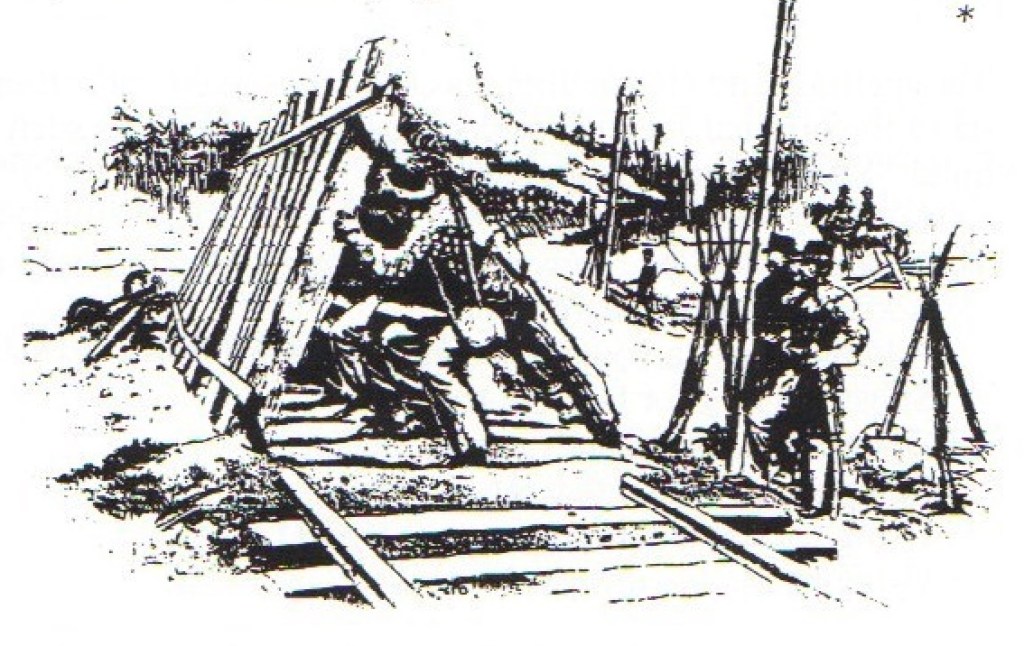
In early September 1862, the 83rd Illinois was assigned to garrison duty in Tennessee, moving to Fort Henry on September 3 and then to Fort Donelson on September 5, leaving two companies at Fort Heiman and three at Fort Henry. The regiment’s primary role was to guard the Tennessee and Cumberland Rivers, critical for Union supply lines. This period was marked by frequent skirmishes with Confederate guerillas, who infested the region. More minor engagements were notable, including actions near Waverly, Tennessee, and Garrettsburg, Kentucky, highlighting the regiment’s crucial role in maintaining security in a volatile and strategically vital area.
The Battle of Dover (February 3, 1863)
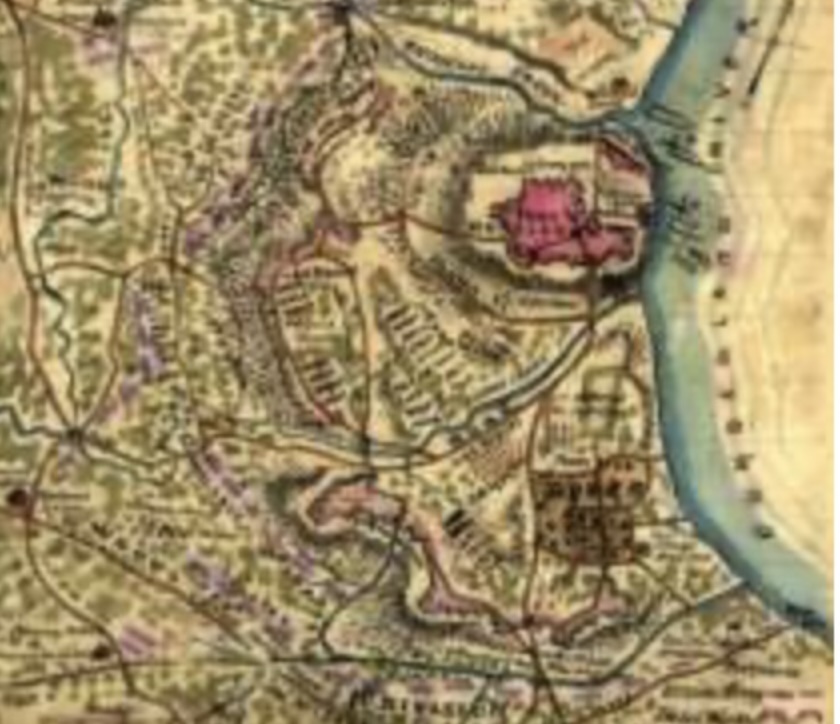
The regiment’s most significant engagement occurred on February 3, 1863, at Fort Donelson, known as the Battle of Dover or the Second Battle of Fort Donelson. This battle saw nine companies of the 83rd Illinois, supported by Company C of the 2nd Illinois Light Artillery, face a formidable Confederate force of approximately 8,000 troops led by Generals Joseph Wheeler and Nathan Bedford Forrest. The Confederate attack began between 1:00 and 2:00 P.M., lasting until 8:30 P.M., when the Confederates were forced to retreat, suffering an estimated 800 killed and wounded. The 83rd Illinois sustained heavy losses, with 13 men killed and 51 wounded, underscoring the intensity of the defense. The successful defense of Fort Donelson was a significant victory for the Union, securing a vital outpost and disrupting Confederate supply lines.

Colonel Harding’s leadership during this battle earned him a promotion to brigadier general, while Lieutenant Colonel Arthur A. Smith was promoted to colonel. Among the casualties were Captain P.E. Reed of Company A, Lieutenant Harmon D. Bissell (regimental quartermaster), First Sergeant James Campbell of Company C, and Captain John McClanahan of Company B, who died of wounds on February 23. This engagement demonstrated the regiment’s resilience, securing Fort Donelson and maintaining Union control over a critical outpost.
Subsequent Movements and Operations
Following the Battle of Dover, the 83rd Illinois remained at Fort Donelson until September 20, 1863, when its right wing moved to Clarksville, Tennessee, with companies from Forts Henry and Heiman rejoining earlier. At Clarksville, the regiment continued combating guerillas in northwest Tennessee and southwest Kentucky, participating in expeditions to pursue Confederate leaders like Wheeler and Forrest, who threatened General William T. Sherman’s supply lines during the Atlanta Campaign of 1864. The regiment was responsible for guarding approximately 200 miles of communications, requiring extensive patrolling and vigilance.
Notable Incidents and Later Service
In 1864, the regiment’s service included actions at Pine Bluff on the Tennessee River on August 19-20, reflecting its ongoing role in securing Union positions. A tragic incident occurred on August 20, 1864, when Captain William M. Turnbull of Company B, with eleven men, pursued five guerillas. Still, it was overpowered while returning, resulting in Turnbull and seven men killed, with one wounded man later murdered by guerillas. This event highlighted the dangers of guerrilla warfare faced by the regiment.
During the winter of 1864-1865, the 83rd Illinois was assigned provost (military police) duty in Nashville, Tennessee, as the war neared its end. On May 31, 1865, Major General Lovell H. Rousseau issued a commendation to Colonel Smith, praising the regiment’s “soldierly bearing and gentlemanly conduct” and expressing gratitude for its service, a testament to its discipline and contribution.
Mustering Out and Casualties
The regiment was mustered out in Nashville on June 26, 1865, under the command of Brevet Brigadier General Arthur A. Smith and discharged in Chicago, Illinois, on July 5, 1865. Throughout its service, the 83rd Illinois suffered significant losses: 4 officers and 34 enlisted men were killed in action or died of wounds. In contrast, one officer and 82 enlisted men succumbed to disease, totaling 121 fatalities. These figures reflect the harsh realities of Civil War service, including combat and the prevalent health challenges of the era.
Legacy and Notable Figures
The legacy of the 83rd Illinois Infantry Regiment is etched in history by its unwavering performance, particularly during the intense conflict at Fort Donelson, which solidified its reputation as a courageous and well-disciplined unit. This regiment fought valiantly for the Union and holds an unexpected and intriguing historical connection: Virgil Earp, who later became a renowned lawman infamous for his role in the Gunfight at the O.K. Corral, served as a private in this very regiment.
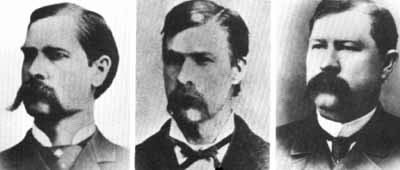
This unique link intertwines the narratives of Civil War history and the Wild West, adding a captivating layer to the regiment’s legacy. Throughout its service, the 83rd Illinois Infantry exemplified the pivotal contributions of Midwest volunteer units, playing a crucial role in securing Union dominance over Tennessee. Their efforts supported broader strategic objectives, showcasing the toll of extended garrison duty and the remarkable bravery displayed in key battles against Confederate forces. The regiment’s journey reflects the sacrifices made by its soldiers and the indomitable spirit of the era, making its story a fascinating chapter in American military history.
Table of Key Engagements and Casualties
Date Engagement Location Casualties (83rd Illinois) October 22-25, 1862 Expedition to Waverly Tennessee Not specified February 3, 1863 Battle of Dover (Fort Donelson) Stewart County, TN 13 killed, 51 wounded August 19-20, 1864Action at Pine Bluff Tennessee RiverNot specifiedAugust 20, 1864 Guerrilla ambush (Turnbull incident)Near Fort Donelson8 killed, one wounded, later murdered This table summarizes the regiment’s major engagements, highlighting the Battle of Dover as the most significant in terms of casualties and strategic impact.
Conclusion
The 83rd Illinois Infantry Regiment’s service during the Civil War was characterized by its critical role in garrison duty, valiant defense at Fort Donelson, and efforts against Confederate guerillas. Its history, enriched by figures like Virgil Earp, underscores the interconnectedness of American military and frontier narratives, offering a comprehensive view of its contributions to the Union cause.
 𝚨nything for A Quiet LifeΩ